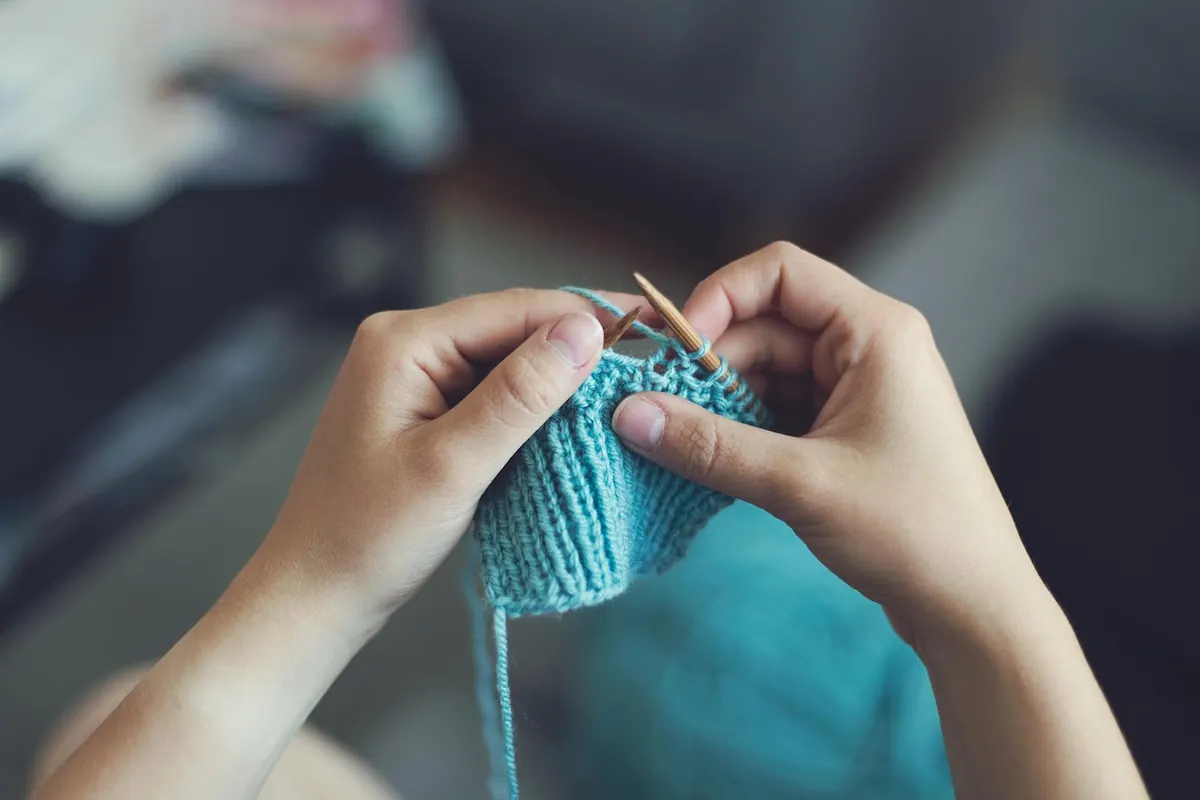
Italy's wool trade is not a museum piece. It is a working network of mills in the north, sheep farms along the Apennines and in Sardinia, small dye studios, and fairs that fill a town square for a weekend every year. For a knitter or a spinner, that means something better than a souvenir: the chance to buy yarn from the people who spun it, in the place where it was made, and to ask awkward questions about breed, twist and dye lot while they are standing in front of you. It also means you can learn to read Italian wool the way you read a label at home: by feel, by smell, by the way a hank hangs from your hand, and by the answers you get when you ask what is actually in it. What follows is a practical map of where to look, what to say, and how to come home with a suitcase you can still close.
You do not need to tour the whole country. A handful of districts account for most of what a fibre lover will care about, and each has a different character. Think of them less as tourist stops and more as different dialects of the same craft: fine spinning in the north, recycled texture near Florence, felted cloth in Tuscany, raw fleece in the mountains, and weaving on an island with its own sheep and its own rules.
Biella, in Piedmont, is the fine-spinning heart of Italian wool. The lanifici here have supplied tailors for generations, and the spinning is worsted and precise: smooth, high-twist yarns, cashmere blends, merino fine enough to wear against the neck. Several mills run factory shops and occasional open days, and the city's textile collections explain what you are looking at before you commit. Go with a project in mind rather than a vague ambition. A cone of fine grey merino may look modest on the shelf, but it will tell you everything about gauge, drape and durability once you have swatched it. If you are lucky enough to visit during an open day, ask how the mill blends fibres and why one yarn is spun tighter than another; the answers are usually more useful than any care label.
Prato, just outside Florence, built its reputation on regenerated wool. Rags are sorted by colour and turned back into carded fibre, which is why Prato yarns often have a tweedy, slightly rustic texture and a strong personality. The district's recycled carded wool carries its own consortium certification, so ask about it if provenance matters to you. The city's textile museum is a good primer on the industry's history, and the surrounding mills and outlets reward a slow afternoon. Prato is not the place for a quiet, uniform yarn. It is the place for a yarn with visible history, a bit of grit, and enough colour variation to make a plain sweater interesting.
Casentino, in eastern Tuscany, gives its name to a boiled, lightly felted cloth, the panno casentino, traditionally dyed a burnt orange. Mill shops in the area sell it by the metre, and the offcuts make excellent bags, cushions and heavy winter jackets. Even if you do not sew, buy a small piece and use it as a reference: it teaches you what wool can do when heat, water and pressure are used with confidence. The colour is the signature, but the hand is the lesson.
Abruzzo and Molise are shepherd country, crossed by the old droving routes known as tratturi. Transhumance is recognised by UNESCO as intangible cultural heritage, and the related festivals are as much about sheep, cheese and music as about yarn. This is where you go for raw fleece, small-batch spinning and conversations that start with the weather and end with a fleece in your car boot. Expect practical knowledge rather than polished retail. A shepherd may not have a website, but he will know which ewes produce the softest neck wool and which fleece is better left for felt.
Sardinia has the Sarda breed, tough little sheep with creamy fleece, and a weaving tradition worth a detour. Samugheo's regional textile museum is the best single stop, and the surrounding villages still weave on horizontal looms. The island is also a good place to see how far a fleece can travel through local hands: from sheep to handspun yarn to a woven blanket that feels like it belongs to the house rather than the shop.
Pitti Filati, held at Florence's Fortezza da Basso twice a year, is where Italian spinners show next season's yarns to the knitting industry. It is a trade fair rather than a shopping trip, so check whether you qualify for entry before you build a holiday around it. If you do get in, it is the fastest education in Italian yarn you will ever receive. You will see how colour cards are built, how a spinner talks about twist, and why a yarn that feels lovely in a hank may behave very differently on the needles. Bring a notebook, wear comfortable shoes, and do not try to see everything in one morning.
Abilmente, staged in Vicenza each autumn with sister editions in Rome and Milan at other points in the year, is the big public craft fair: yarn, fabric, tools, workshops and a lot of people carrying very full bags. Aosta's Fiera di Sant'Orso at the end of January is a different pleasure altogether, a centuries-old craft fair where you will find the valley's Drap cloth alongside wood, leather and soapstone. The mood is part market, part winter festival, and the quality is high enough that you should set a budget before you go in.
Then there are the Festa della Lana events, sheep-shearing days and small wool markets that appear in mountain towns from spring to autumn. They rarely advertise widely and rarely run to a website in English. Find them through the local Pro Loco, the regional tourism board, the notices in a yarn shop, or by asking in a knitting group which fair is worth the drive. Turn up early, bring cash, and expect to leave with more than you planned. The best village fairs are not efficient. That is the point. You will wait while a vendor finds the second bag of the same dye lot, and you will probably be offered coffee or a piece of cheese while you wait.
Italian yarn sellers are patient with gestures, but a few phrases change the conversation from browsing to buying.
Ask for the partita before you fall in love with the colour. A beautiful yarn in the wrong dye lot is just a very expensive lesson in planning.
A wool market rewards preparation, but not too much of it. You want enough information to buy confidently and enough flexibility to be surprised. Before you leave the house, note your project, your gauge, your needle size and the yardage you actually need. A photograph of a pattern page is useful; a photograph of a yarn label is not, unless it includes the metreage and fibre content.
Spring and early autumn are the sweet spots for mountain wool fairs: the weather is kind, the sheep are being shorn, and the roads are open without the summer crowds. Winter is for the big indoor fairs and for the Fiera di Sant'Orso in Aosta, where the cold is part of the atmosphere. If you are combining wool with a wider holiday, build in a rest day after a fair. You will need it for winding hanks, photographing labels and repacking your suitcase in a way that does not crush the cones.
Shipping is often possible from larger mills and shops, but ask about cost and customs before you assume it is cheaper than an extra bag. Vacuum bags are useful for bulky fleece and cloth, though they can flatten loft; keep your best handspun hanks out of the compression. And if you are travelling home with raw fleece, check your country's agricultural rules first. The romance of a fleece in the boot fades quickly at a border inspection.
The real pleasure of an Italian wool trip is not the size of the haul. It is the moment when a spinner explains why this yarn is spun for warp and that one for weft, or when a shepherd tells you which fleece he keeps for himself. You come home with more than yarn: a few phrases, a sharper eye, and a better sense of what makes a fibre worth the journey.
Photo: Foundry / Pixabay
A beginner-friendly, step-by-step guide to sewing a lined tote bag, from choosing fabric and cutting panels to...
A practical pre-start guide to crochet gauge, hook sizing, and yarn preparation, with a checklist to help you avoid...
Five breathable summer patterns in cotton, linen and fine blends, with practical notes on yarn choice, gauge, hook...

Patient threads for handmade textile crafts.
